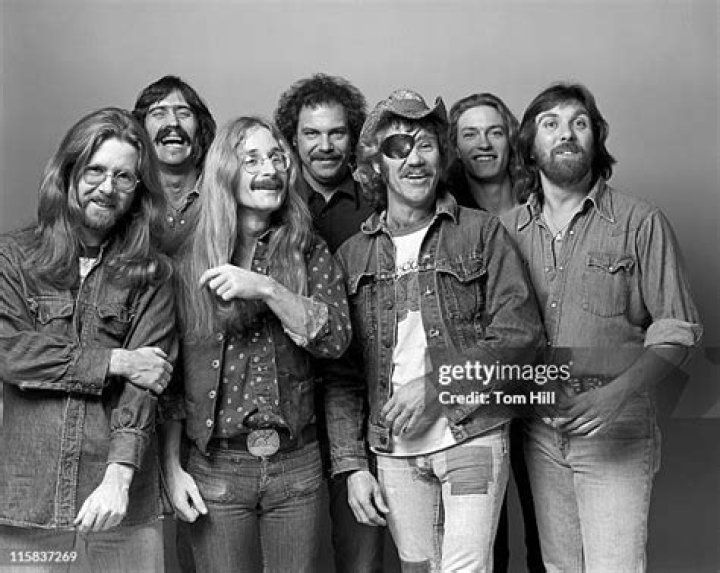
Beans beans, the musical fruit, are not just a playful rhyme; they encapsulate a unique blend of humor and musicality that has captured the hearts of many. This catchy song has become a staple in children's music, often sung in schools and camps, and even referenced in popular culture. In this article, we will dive deep into the origins of the song, its cultural significance, and the various adaptations it has undergone over the years.
Understanding the context and history of "Beans Beans the Musical Fruit" can provide insights into how simple lyrics can resonate across generations. With its playful nature, the song has not only entertained children but has also sparked discussions about food, health, and even social etiquette. Join us as we explore the delightful world of this musical fruit and discover why it remains a beloved classic.
This article will take you through the intriguing facets of the "Beans Beans the Musical Fruit" song, including its origins, variations, and its role in modern culture. From its humorous lyrics to its impact on children's education, we will provide a comprehensive look at this iconic tune.
1. The Origin of the Song
While the exact origins of "Beans Beans the Musical Fruit" are uncertain, it is believed to have emerged in the early 20th century as a playful children's rhyme. The song highlights beans' humorous stereotype related to flatulence, making it a favorite among children who enjoy the giggles it provokes.
Many variations of the song exist, with some attributing it to folk traditions, while others suggest it was popularized in schools. Regardless of its beginnings, the song's catchy nature and simple melody have ensured its longevity.
2. The Lyrics and Their Meaning
The lyrics of "Beans Beans the Musical Fruit" are straightforward yet effective in driving home its humorous message. The most recognized version goes as follows:
- Beans, beans, the musical fruit,
- The more you eat, the more you toot.
- The more you toot, the better you feel,
- So we have beans at every meal!
These lyrics playfully suggest that eating beans can lead to flatulence, therefore presenting a light-hearted take on a natural bodily function. This playful approach makes it enjoyable for children while also subtly introducing them to the concept of food and digestion.
3. Cultural Significance of the Song
"Beans Beans the Musical Fruit" has transcended its origins to become a cultural phenomenon. It is frequently sung at camps, during road trips, and in classrooms, creating a shared experience among children and adults alike.
Beyond entertainment, the song has sparked conversations about food choices, particularly regarding legumes and their nutritional benefits. It serves as an entry point for discussing healthy eating habits, making it not only a fun tune but also an educational tool.
4. Adaptations and Variations
Throughout the years, "Beans Beans the Musical Fruit" has seen numerous adaptations. Variations may include different foods or humorous spins on the lyrics, often tailored to suit specific cultural contexts or preferences.
Some notable adaptations include:
- Replacing "beans" with other foods like "broccoli" or "cabbage."
- Adding verses that emphasize the fun of eating different foods.
- Creating parodies that address various social issues or current events.
These adaptations showcase the song's versatility and how it can evolve with time while maintaining its core humor.
5. Health Aspects of Beans
Beans are not only the subject of a playful song but also a powerhouse of nutrition. They are rich in:
- Protein: Essential for muscle growth and repair.
- Fiber: Aids digestion and helps maintain a healthy weight.
- Vitamins and Minerals: Including B vitamins, iron, magnesium, and potassium.
Incorporating beans into one’s diet can lead to numerous health benefits, including improved heart health and better blood sugar control. Thus, the song serves as a fun reminder to enjoy these nutritious legumes.
6. Educational Value in Music
Music plays a crucial role in childhood development, and songs like "Beans Beans the Musical Fruit" contribute significantly to this process. The educational value of such songs includes:
- Enhancing language skills through repetition and rhyme.
- Encouraging social interaction and bonding during group singing activities.
- Promoting a positive attitude towards healthy eating habits.
In summary, incorporating music into educational settings provides a multifaceted approach to learning that can engage children and enhance their overall development.
7. Fun Facts About Beans and the Song
Here are some fun facts to further enrich your knowledge about beans and the song:
- Beans have been cultivated for thousands of years and are a staple food in many cultures.
- The average American consumes approximately 7.5 pounds of beans each year.
- The song has been referenced in various TV shows, including "The Simpsons" and "Family Guy."
These facts illustrate the cultural relevance of beans beyond just food, emphasizing their role in entertainment and education.
8. Conclusion
In conclusion, "Beans Beans the Musical Fruit" is more than just a catchy tune; it is a delightful blend of humor, education, and cultural significance. This song serves as a reminder of the importance of enjoying food while also being mindful of health and nutrition. As we share this song across generations, let it continue to inspire laughter and healthy eating habits in children and adults alike.
We invite you to share your favorite memories or adaptations of the song in the comments below. If you enjoyed this article, consider sharing it with friends or exploring more content on our site!
Thank you for reading, and we hope to see you back here soon for more engaging content!